Berlin Graduate Jobs Cluster in Marketing
Germany caps international students at 140 working days a year.
Read reportReports
City guides, visa rates, and hiring comparisons from our weekly EU & UK job database.
Germany caps international students at 140 working days a year.
Read reportMilan's graduate market spreads meaningful hiring across six career paths, so searching one familiar title can hide much of the city's available work.
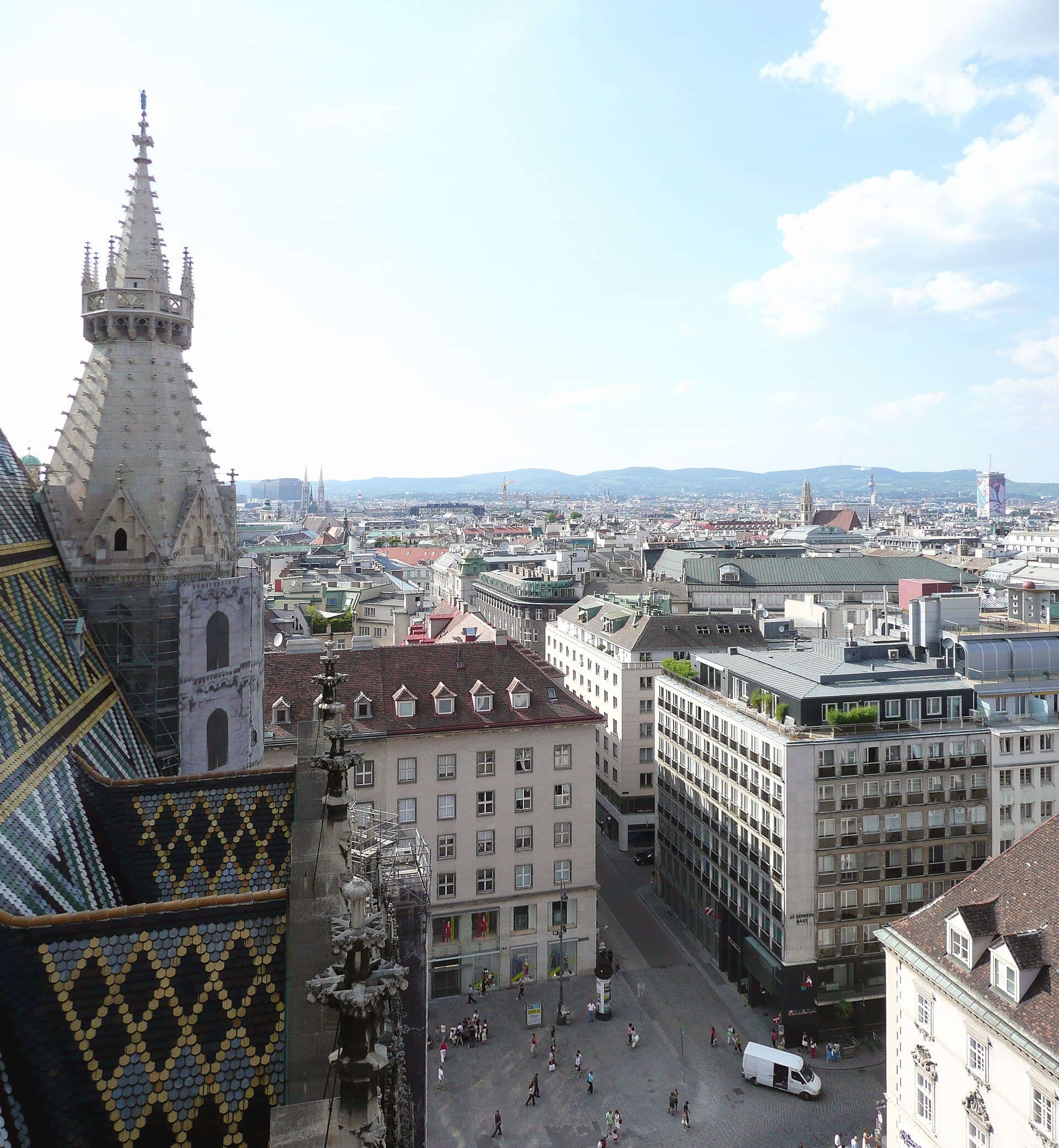
Read reportAustria scores the Red-White-Red Card on points and on German language, so treating a Vienna offer as a Berlin Blue Card wastes the whole file.
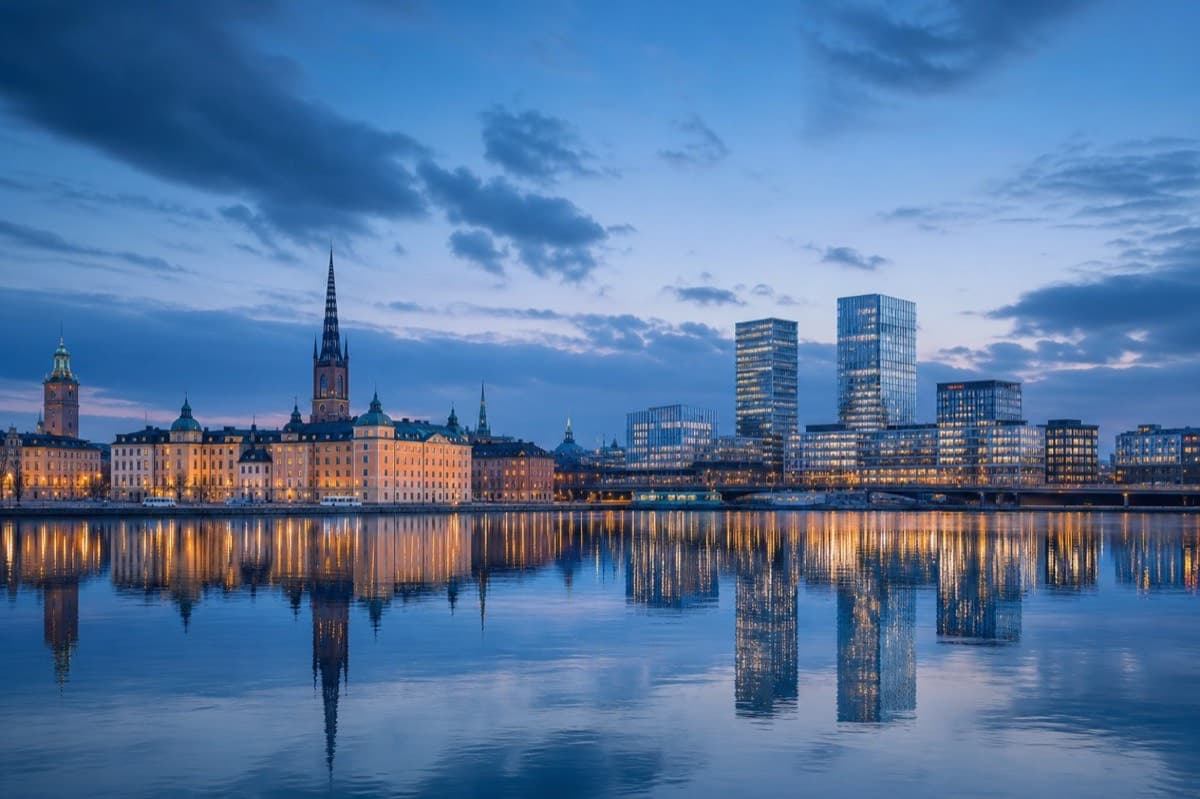
Read reportAn English-language ad in Stockholm tells you nothing about the permit.
Read reportZurich graduate pay spans CHF 75,000 to 120,000, and a Swiss L/B permit is rationed by federal quota rather than granted on merit like an EU Blue Card.
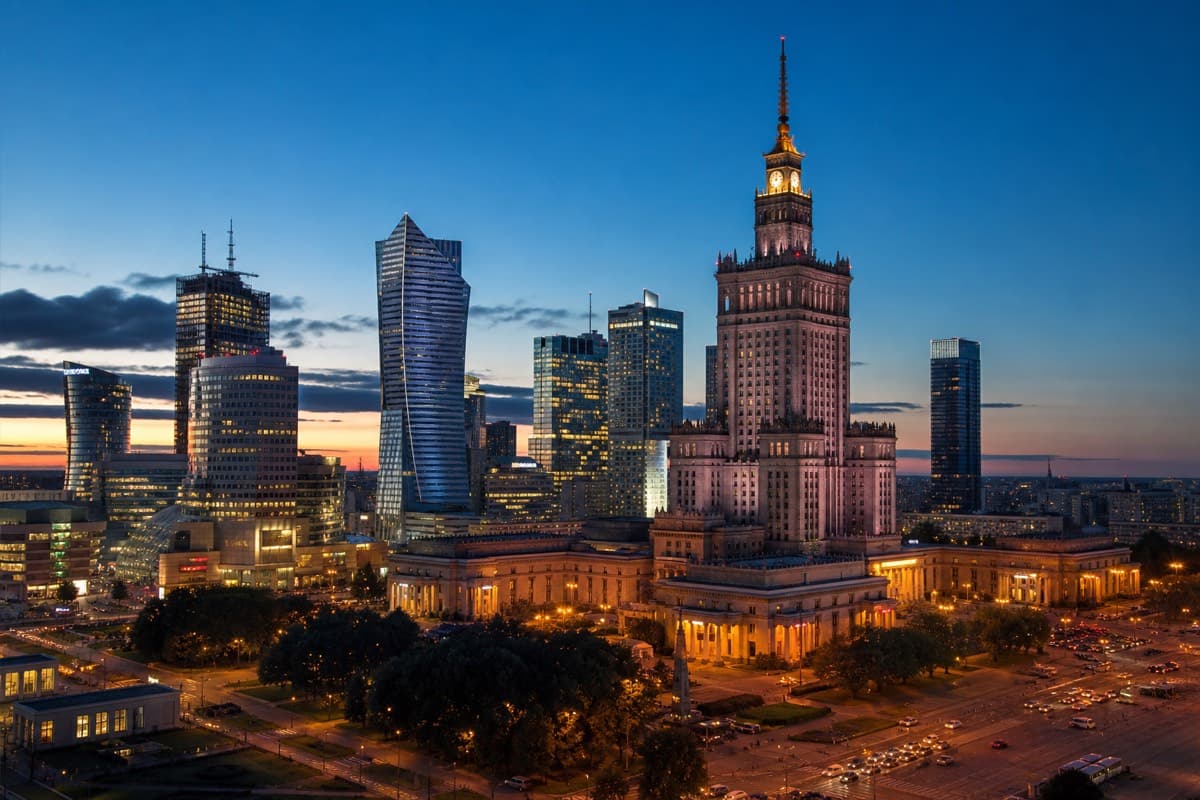
Read reportThe back-office roles graduates are coached to skip are Warsaw's most likely to sponsor.
Read reportA €32,000 Barcelona startup offer can fund a good life and still sit under Spain's Blue Card floor, which is the number deciding whether you can stay.
Read reportIn Paris, French fluency ends more applications than visa status, and the internship contract settles the rest before anyone opens your CV.
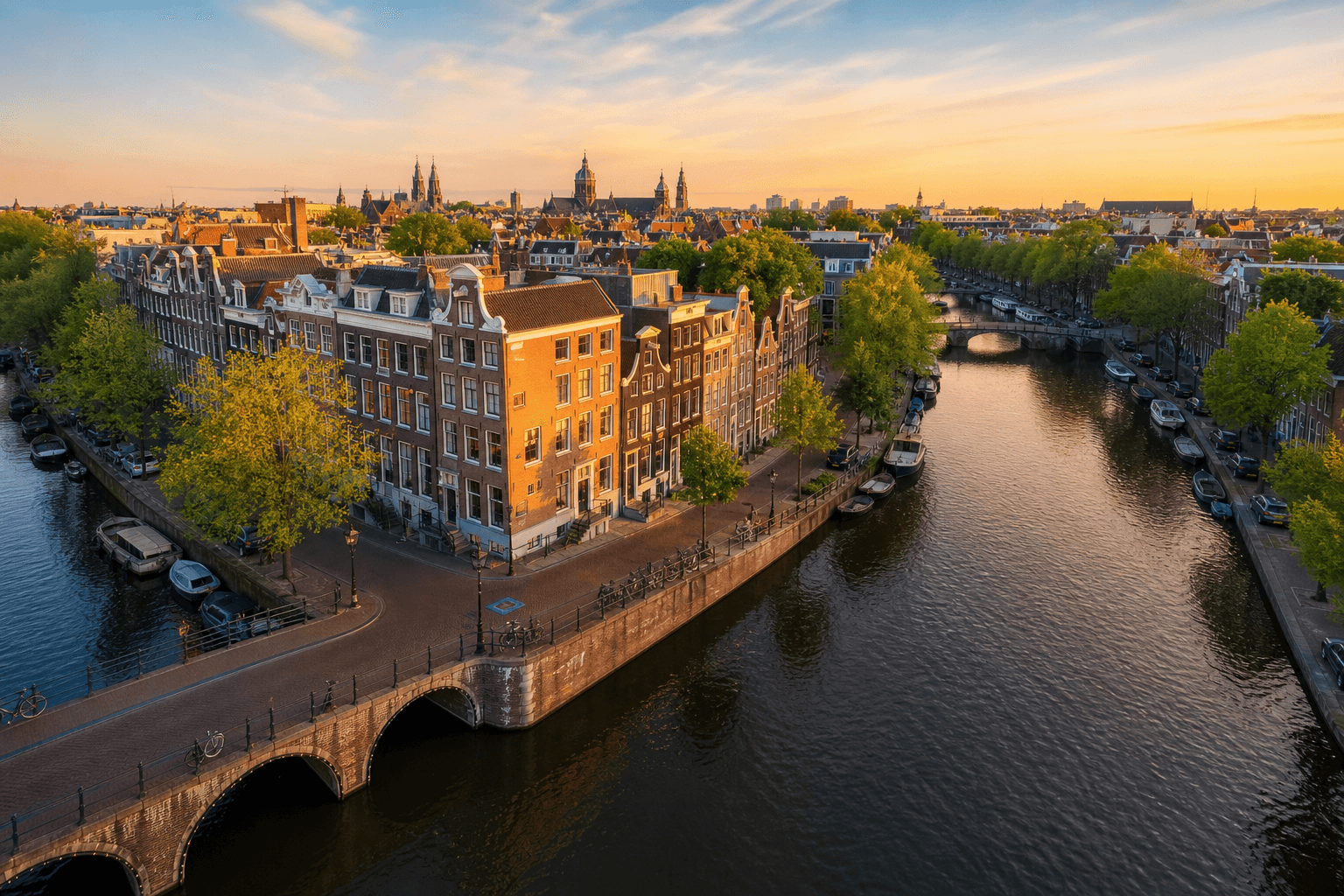
Read reportA Dutch employer cannot sponsor you unless the IND lists it as a recognised sponsor, and most Amsterdam startups hiring juniors are not on that register.
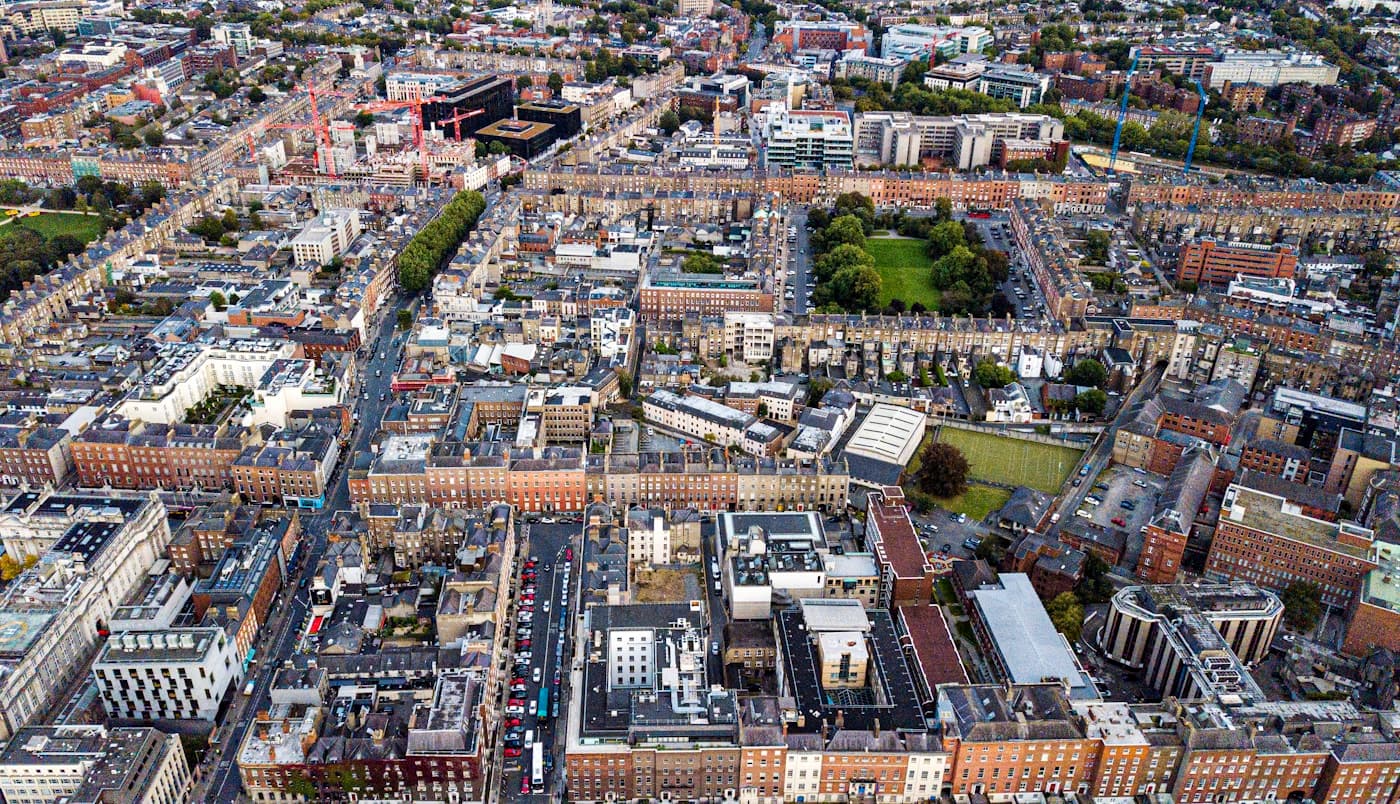
Read reportSilicon Docks pays up to €75,000 and still rarely mentions visas, because Stamp 1G already hands most non-EU graduates two years of open work.
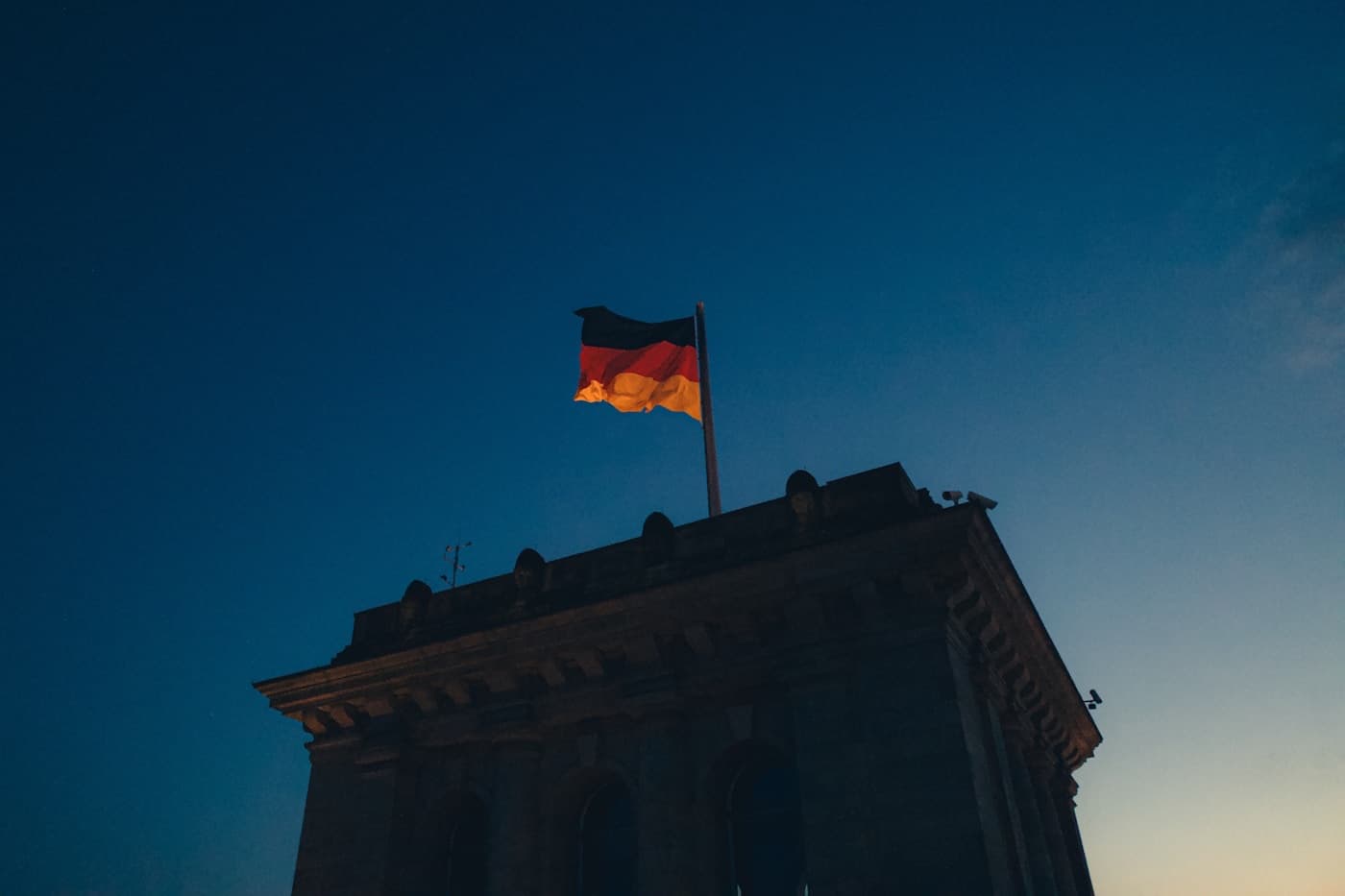
Read reportGermany runs the largest graduate market outside the UK and one of the stingiest sponsorship rates in it.
Read report